PLA Pellets
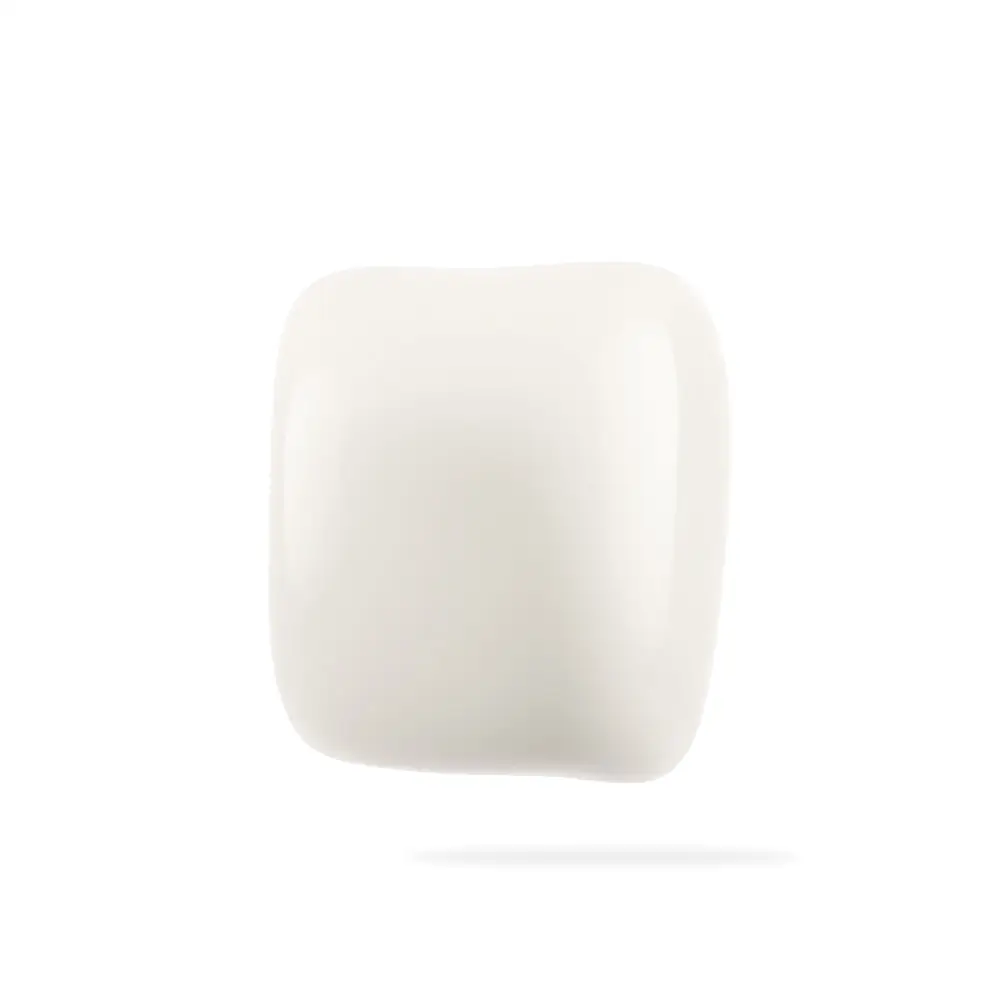
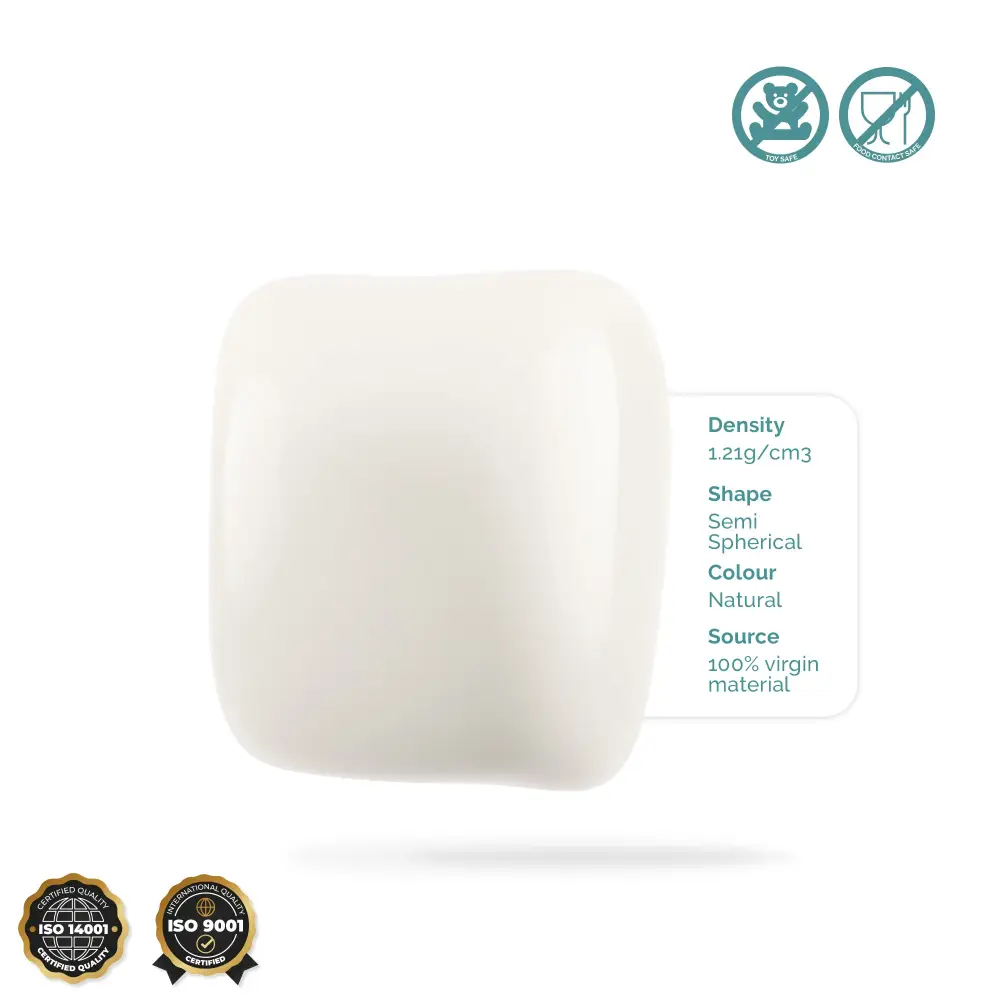
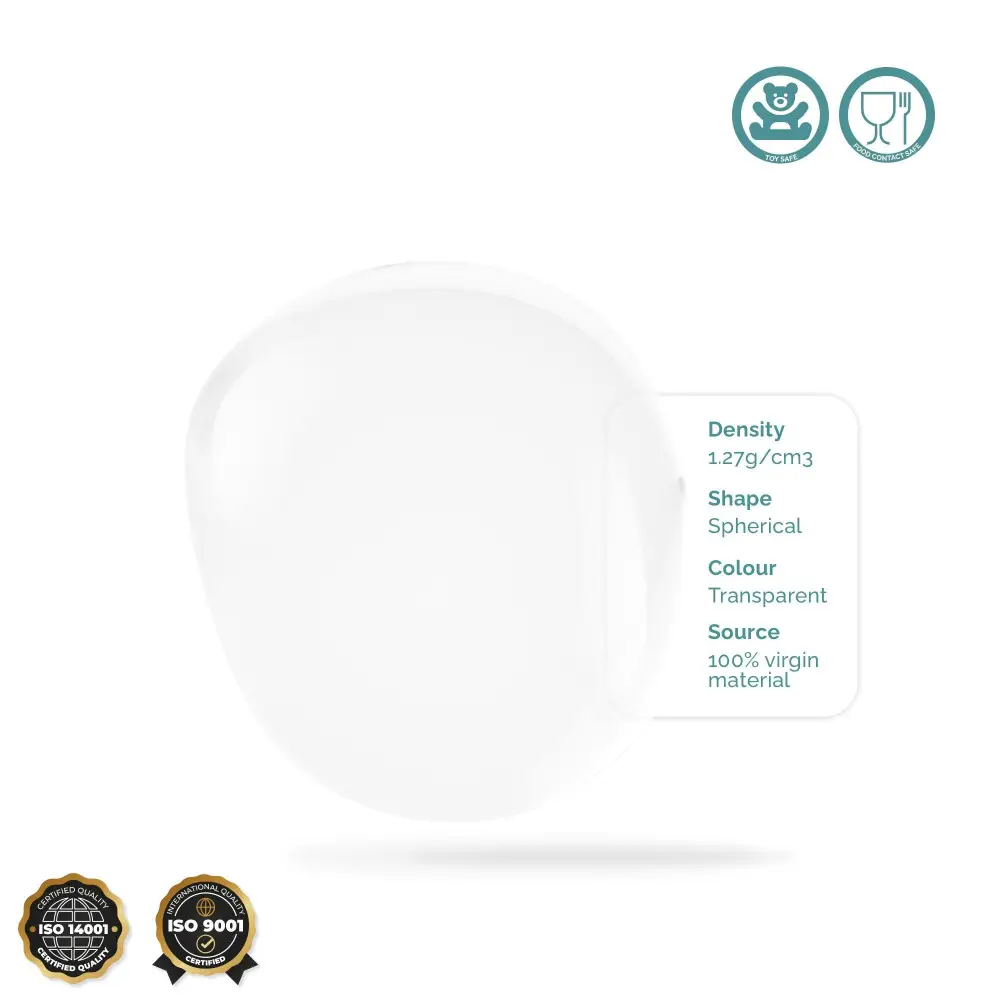
Eolas Prints PLA pellets are 100% virgin, dye-free polylactic acid in granule form, for use in pellet-fed FDM 3D printers and injection moulding systems. PLA is the most widely used 3D printing polymer — derived from renewable plant starch (corn or sugarcane), biodegradable under industrial composting conditions, and straightforward to process. In pellet form, PLA is significantly more cost-effective per kilogram than equivalent filament, making it the practical choice for high-volume printing on pellet-extruder systems.
Key Specifications
| Material | Polylactic Acid (PLA) |
| Grade | 100% virgin — no regrind or recycled content |
| Colourant | Dye-free (natural pellet colour) |
| Density | 1.24 g/cm³ |
| Food-contact-safe raw material | Yes (see note below) |
| Print temperature | 190–220°C (printer-dependent) |
| Bed temperature | 0–60°C (PEI or glass bed) |
| Available sizes | 500 g / 1 kg — bulk big bags available on request |
A Note on Food Contact
The raw PLA pellet material is food-contact safe. That certification applies to the raw pellet feedstock, not to finished printed parts — 3D-printed surfaces contain microscopic gaps between layers that can harbour bacteria, and most printers use brass nozzles that may introduce trace metals. If you intend a part for food contact, print it with a stainless-steel nozzle and apply a food-safe sealant, and assess suitability for your specific use. This remains the responsibility of the maker.
Why Pellets Over Filament
Filament is pellet feedstock that has already been extruded once into wire form — a manufacturing step that adds cost, time, and the possibility of moisture uptake during production. Pellet-fed printers skip this step entirely: the raw pellet is melted and extruded directly into the print. For high-volume users, the cost differential is substantial. For research and custom formulation applications, pellets also allow direct blending of additives without sourcing specialist filament.
Material Properties
PLA's key advantages are ease of printing, good surface finish, and biodegradability. It prints at low temperatures (190–220°C), adheres well to PEI and glass surfaces without a heated enclosure, and produces minimal warping. Its biodegradable nature under industrial composting conditions makes it the environmentally lowest-impact standard 3D printing polymer.
Its primary limitation is heat resistance — PLA softens above approximately 55–60°C under load, making it unsuitable for applications with thermal exposure. For structural or heat-resistant applications, consider our PETG or ABS pellets.
Dialling In Your Settings
New to pellet printing or fine-tuning a fresh batch? Our European buyer's guide to pellets covers sourcing and selection, and our complete troubleshooting & calibration guide walks through dialling in settings.
Compatible Printers
These pellets are designed for pellet-fed FDM printers and desktop pellet extruder systems. Common compatible platforms include Dyze Design Pulsar, Pollen AM, 3DGence Industry, and custom industrial pellet extruder builds. Pellets can also be used in bench-top single-screw extruders for custom filament production.
Sourcing & Quality
These PLA pellets are produced by a specialist manufacturer certified to ISO standards, and shipped from Eolas Prints' stock in Cantabria, Spain. REACH and food-contact declarations are available on request. Available from 500 g and 1 kg up to bulk big bags for production-scale printing.
Original: $7.97
-65%$7.97
$2.79Product Information
Product Information
Shipping & Returns
Shipping & Returns
Description
Eolas Prints PLA pellets are 100% virgin, dye-free polylactic acid in granule form, for use in pellet-fed FDM 3D printers and injection moulding systems. PLA is the most widely used 3D printing polymer — derived from renewable plant starch (corn or sugarcane), biodegradable under industrial composting conditions, and straightforward to process. In pellet form, PLA is significantly more cost-effective per kilogram than equivalent filament, making it the practical choice for high-volume printing on pellet-extruder systems.
Key Specifications
| Material | Polylactic Acid (PLA) |
| Grade | 100% virgin — no regrind or recycled content |
| Colourant | Dye-free (natural pellet colour) |
| Density | 1.24 g/cm³ |
| Food-contact-safe raw material | Yes (see note below) |
| Print temperature | 190–220°C (printer-dependent) |
| Bed temperature | 0–60°C (PEI or glass bed) |
| Available sizes | 500 g / 1 kg — bulk big bags available on request |
A Note on Food Contact
The raw PLA pellet material is food-contact safe. That certification applies to the raw pellet feedstock, not to finished printed parts — 3D-printed surfaces contain microscopic gaps between layers that can harbour bacteria, and most printers use brass nozzles that may introduce trace metals. If you intend a part for food contact, print it with a stainless-steel nozzle and apply a food-safe sealant, and assess suitability for your specific use. This remains the responsibility of the maker.
Why Pellets Over Filament
Filament is pellet feedstock that has already been extruded once into wire form — a manufacturing step that adds cost, time, and the possibility of moisture uptake during production. Pellet-fed printers skip this step entirely: the raw pellet is melted and extruded directly into the print. For high-volume users, the cost differential is substantial. For research and custom formulation applications, pellets also allow direct blending of additives without sourcing specialist filament.
Material Properties
PLA's key advantages are ease of printing, good surface finish, and biodegradability. It prints at low temperatures (190–220°C), adheres well to PEI and glass surfaces without a heated enclosure, and produces minimal warping. Its biodegradable nature under industrial composting conditions makes it the environmentally lowest-impact standard 3D printing polymer.
Its primary limitation is heat resistance — PLA softens above approximately 55–60°C under load, making it unsuitable for applications with thermal exposure. For structural or heat-resistant applications, consider our PETG or ABS pellets.
Dialling In Your Settings
New to pellet printing or fine-tuning a fresh batch? Our European buyer's guide to pellets covers sourcing and selection, and our complete troubleshooting & calibration guide walks through dialling in settings.
Compatible Printers
These pellets are designed for pellet-fed FDM printers and desktop pellet extruder systems. Common compatible platforms include Dyze Design Pulsar, Pollen AM, 3DGence Industry, and custom industrial pellet extruder builds. Pellets can also be used in bench-top single-screw extruders for custom filament production.
Sourcing & Quality
These PLA pellets are produced by a specialist manufacturer certified to ISO standards, and shipped from Eolas Prints' stock in Cantabria, Spain. REACH and food-contact declarations are available on request. Available from 500 g and 1 kg up to bulk big bags for production-scale printing.