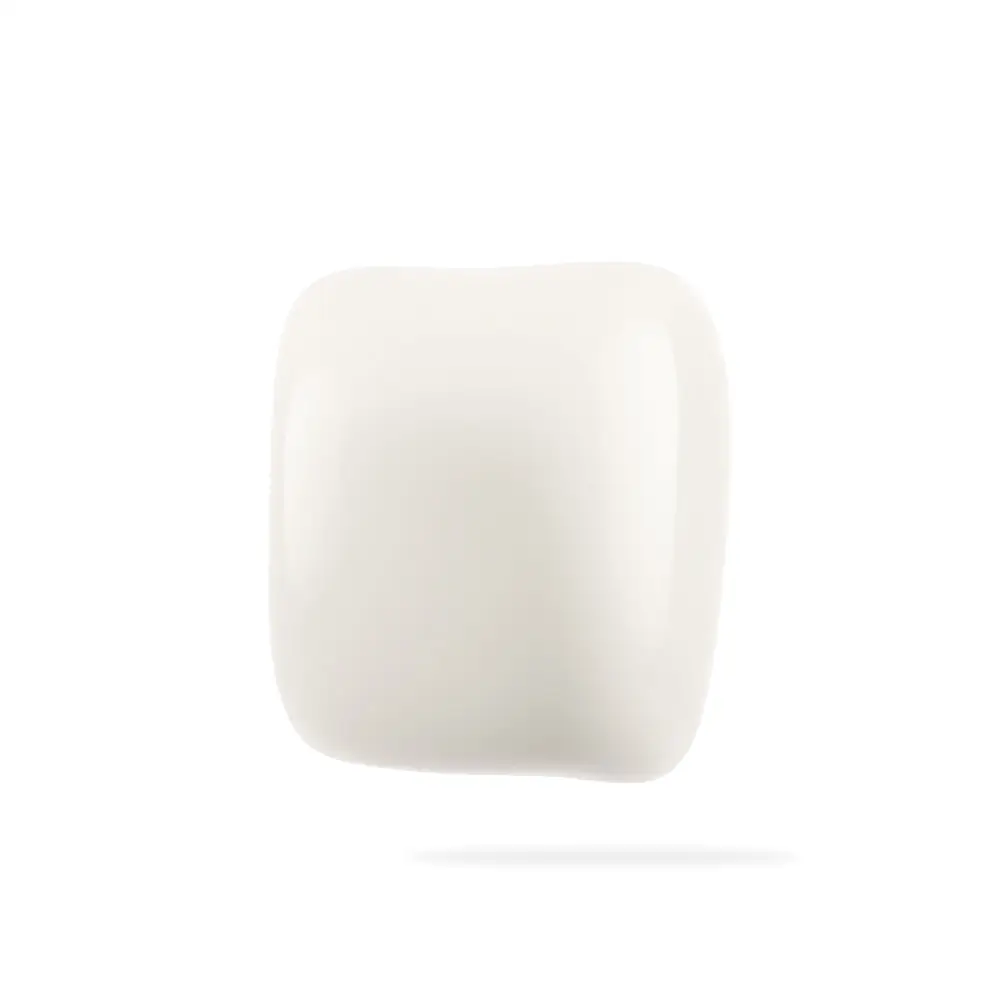
ABS Pellets
Eolas Prints ABS pellets are 100% virgin, dye-free acrylonitrile butadiene styrene in granule form for pellet-fed 3D printers. ABS is the established engineering thermoplastic for applications requiring heat resistance, structural rigidity, and impact toughness beyond what PLA or PETG can deliver. With a VICAT softening point of 106°C and a heat deflection temperature of 83°C, these pellets are appropriate for under-bonnet automotive components, electrical housings, industrial tooling jigs, and functional parts that see elevated temperatures in service. ABS is also acetone-smoothable — making it one of the few common 3D printing polymers with a practical solvent post-processing route.
Key Specifications
| Material | Acrylonitrile Butadiene Styrene (ABS) |
| Grade | 100% virgin — no regrind or recycled content |
| Colourant | Dye-free (natural ivory/off-white pellet colour) |
| Density | 1.05 g/cm³ |
| VICAT softening point | 106°C |
| Heat deflection temperature | 83°C (at 0.45 MPa) |
| Print temperature | 230–250°C (printer-dependent) |
| Bed temperature | 90–110°C |
| Enclosure | Strongly recommended — reduces warping and delamination |
| Available sizes | 500 g / 1 kg — bulk big bags available on request |
Heat Resistance — What 106°C VICAT Means in Practice
The VICAT softening point is the temperature at which a flat-ended needle penetrates the material by 1mm under a defined load — it is the practical upper limit for sustained thermal exposure. At 106°C VICAT (vs approximately 60°C for PLA and 80°C for PETG), ABS holds its geometry in environments that would deform both. Common use cases that require this thermal headroom include under-bonnet automotive brackets and clips, printed jigs and fixtures near heat sources, electrical enclosures housing components that generate heat, and any part that will be painted with heat-cure coatings.
Acetone Smoothing
ABS dissolves in acetone. This makes it the standard choice when a smooth, injection-moulded-like surface finish is required without mechanical sanding. Parts can be vapour-smoothed in an acetone chamber or brush-smoothed with liquid acetone to fuse layer lines and produce a uniform finish. ABS is also bondable with acetone-based ABS cement, enabling reliable part assembly.
Processing Requirements
ABS requires a heated enclosure for reliable printing — without one, the temperature differential between the hot first layers and cooler ambient air causes the material to contract unevenly, producing warping and layer delamination on larger prints. A 90–110°C heated bed and enclosed chamber (at least 40–50°C) are the baseline requirements. ABS also produces styrene fumes during printing — adequate ventilation or active filtration is required for all enclosed spaces. For tuning help, see our troubleshooting & calibration guide; new to pellets? Start with our European buyer's guide to pellets.
Sourcing & Quality
These ABS pellets are produced by a specialist manufacturer certified to ISO standards, and shipped from Eolas Prints' stock in Cantabria, Spain. A REACH statement is available on request. Available from 500 g and 1 kg up to bulk big bags for production-scale printing.
Product Information
Product Information
Shipping & Returns
Shipping & Returns
Description
Eolas Prints ABS pellets are 100% virgin, dye-free acrylonitrile butadiene styrene in granule form for pellet-fed 3D printers. ABS is the established engineering thermoplastic for applications requiring heat resistance, structural rigidity, and impact toughness beyond what PLA or PETG can deliver. With a VICAT softening point of 106°C and a heat deflection temperature of 83°C, these pellets are appropriate for under-bonnet automotive components, electrical housings, industrial tooling jigs, and functional parts that see elevated temperatures in service. ABS is also acetone-smoothable — making it one of the few common 3D printing polymers with a practical solvent post-processing route.
Key Specifications
| Material | Acrylonitrile Butadiene Styrene (ABS) |
| Grade | 100% virgin — no regrind or recycled content |
| Colourant | Dye-free (natural ivory/off-white pellet colour) |
| Density | 1.05 g/cm³ |
| VICAT softening point | 106°C |
| Heat deflection temperature | 83°C (at 0.45 MPa) |
| Print temperature | 230–250°C (printer-dependent) |
| Bed temperature | 90–110°C |
| Enclosure | Strongly recommended — reduces warping and delamination |
| Available sizes | 500 g / 1 kg — bulk big bags available on request |
Heat Resistance — What 106°C VICAT Means in Practice
The VICAT softening point is the temperature at which a flat-ended needle penetrates the material by 1mm under a defined load — it is the practical upper limit for sustained thermal exposure. At 106°C VICAT (vs approximately 60°C for PLA and 80°C for PETG), ABS holds its geometry in environments that would deform both. Common use cases that require this thermal headroom include under-bonnet automotive brackets and clips, printed jigs and fixtures near heat sources, electrical enclosures housing components that generate heat, and any part that will be painted with heat-cure coatings.
Acetone Smoothing
ABS dissolves in acetone. This makes it the standard choice when a smooth, injection-moulded-like surface finish is required without mechanical sanding. Parts can be vapour-smoothed in an acetone chamber or brush-smoothed with liquid acetone to fuse layer lines and produce a uniform finish. ABS is also bondable with acetone-based ABS cement, enabling reliable part assembly.
Processing Requirements
ABS requires a heated enclosure for reliable printing — without one, the temperature differential between the hot first layers and cooler ambient air causes the material to contract unevenly, producing warping and layer delamination on larger prints. A 90–110°C heated bed and enclosed chamber (at least 40–50°C) are the baseline requirements. ABS also produces styrene fumes during printing — adequate ventilation or active filtration is required for all enclosed spaces. For tuning help, see our troubleshooting & calibration guide; new to pellets? Start with our European buyer's guide to pellets.
Sourcing & Quality
These ABS pellets are produced by a specialist manufacturer certified to ISO standards, and shipped from Eolas Prints' stock in Cantabria, Spain. A REACH statement is available on request. Available from 500 g and 1 kg up to bulk big bags for production-scale printing.